The Ozark Plateau A contour map of the Ozark Plateau across Missouri, Arkansas and northeastern Oklahoma, drawn from real elevation data, with the Current, Jacks Fork, Eleven Point, North Fork, Buffalo and Gasconade rivers in gold. Missouri: 1 in 4 adults carry alpha-gal antibodies. Arkansas: nearly 1 in 3, the highest rate of any state the CDC tested.

A documentary in the making


UNTO THE HILLSALPHA-GAL IN THE OZARKS


One tick bite can take away the food, the hunting and the time outdoors that Ozark families have always counted on. Unto the Hills follows the people learning to live with alpha-gal, and the scientists working to understand it.

Or join the Film Circle.

Ozark Plateau drawn from USGS and SRTM elevation (AWS Terrain Tiles); rivers traced from the same data. Antibody rates: CDC, MMWR, July 2, 2026.

The Film

For the people living with alpha-gal, the changes go deeper than diet. Hunters who can't eat what they bring home. Families relearning how to cook a holiday meal. Parents who think twice before letting their kids play in the woods.

Unto the Hills, a one-hour documentary told across four seasons, sits with these people as they figure out what they've lost, what they can hold on to, and how to move forward.

It's a story about a changing landscape, and about the oldest Ozarks answer to hard times: taking care of each other.

Looking down on the Buffalo River from Big Bluff, forest on every ridge
When the woods start to feel like a risk, what happens to the people who grew up in them?

But how do you keep loving a land that changed you?

What families count on

A farmer reaches up to cuts of meat hanging in a store shed
Meat in the store shed of an Ozark farm, Oregon County, Missouri, 1940. John Vachon, Farm Security Administration. Library of Congress.
A woman sets canning jars to dry on a picket fence The hands of an older couple and their granddaughter, resting on their knees
William Stamper, 82, shaving oak sticks in his workshop
Drying jars at canning time, Lake of the Ozarks, 1936 (Carl Mydans). Hands of an old couple and their granddaughter, Missouri, 1940 (John Vachon). William Stamper, 82, shaving oak for chair braces, 1936 (Carl Mydans). Farm Security Administration, Library of Congress.

For generations, Ozark families have hunted, raised and put up their own food. The deer in the freezer, the ham at Christmas, the shelf of jars by fall. For someone with alpha-gal, a lot of that table is off limits, sometimes for life. The film asks what it takes to keep the traditions that matter when the food can't come with them.

The tick and the science

One bite from a lone star tick can leave a person allergic to red meat, dairy and dozens of everyday products, sometimes for life. It's called alpha-gal syndrome, and the Ozarks are at the center of it.

Along the way, the film follows the researchers trying to understand why this tick is spreading and how to help the people it leaves behind.

Blood donors carrying alpha-gal antibodies, the five highest of ten states tested

  • Arkansas31.2%
  • Missouri26.0%
  • Virginia22.8%
  • Kentucky22.7%
  • Tennessee21.5%
3,000 blood donors tested, November 2024 to April 2025. Antibodies show exposure; only a small share of people who carry them have alpha-gal syndrome. Source: CDC, Morbidity and Mortality Weekly Report, July 2, 2026.
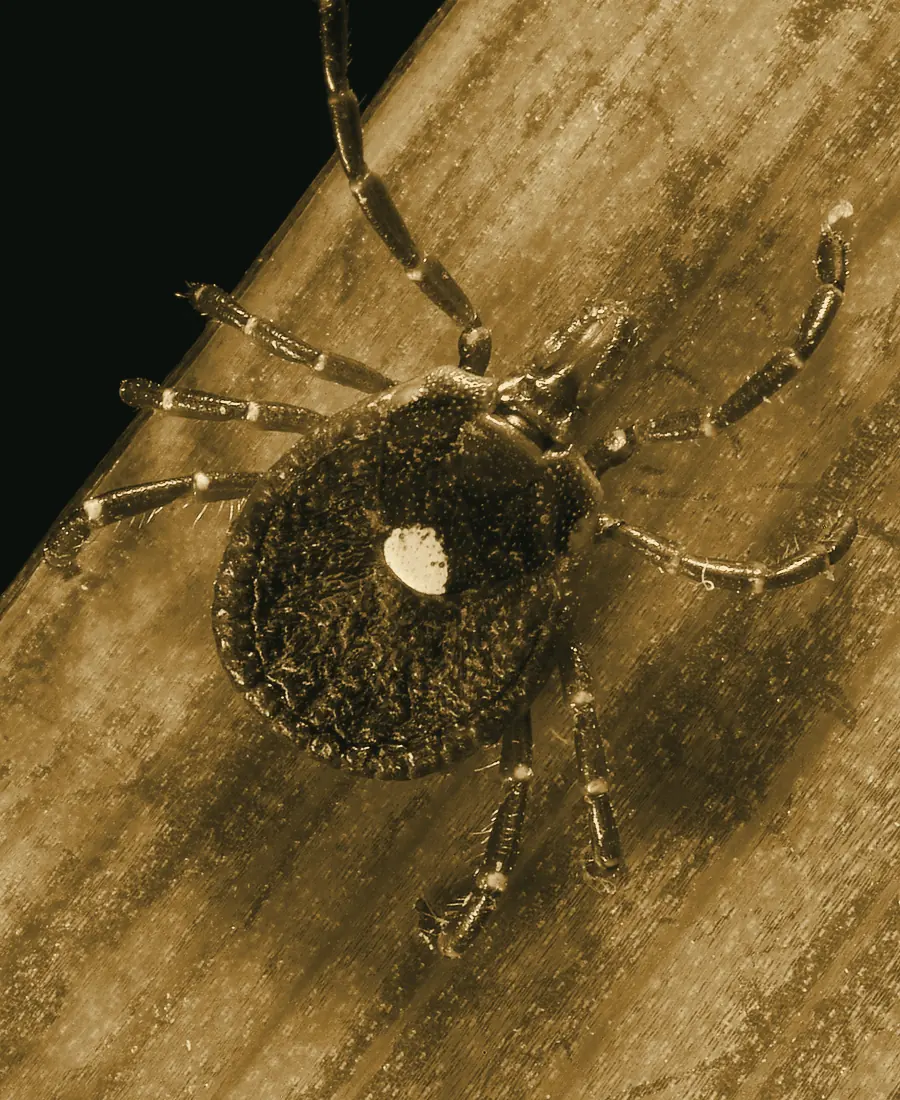
An adult female lone star tick on a leaf, with the single pale spot on her back
Adult female lone star tick, Amblyomma americanum. James Gathany, CDC, public domain.
  • Up to 450,000 Americans may be affected. CDC, 2023
  • 42% of healthcare providers surveyed had never heard of alpha-gal syndrome. CDC, 2023
  • Lone star ticks are now found in every Missouri county. University of Missouri
Lone star tick life stages shown to scale: adult female, adult male, nymph, and a larva shown actual size and enlarged ADULT FEMALE ADULT MALE NYMPH LARVA Larva, enlarged Lone star tick life stages shown to scale: adult female, adult male, nymph, and a larva shown actual size and enlarged ADULT FEMALE ADULT MALE NYMPH LARVA Larva, enlarged
Lone star tick life stages, shown to scale. From a CDC diagram, public domain.
Austin Wood filming from the front seat of a helicopter, in black and white

The director

Austin Wood grew up in central Missouri and went to college in the heart of the Ozarks. Alpha-gal is in his own family.

He is a four-time Mid-America Emmy-winning director and editor. As video producer for the Kansas City Chiefs, he produced and edited The Franchise through two Super Bowl championships. He has produced at Kansas City PBS and co-produced the Alaskan hunting series Rise Up with Caleb Stillians.

Updates

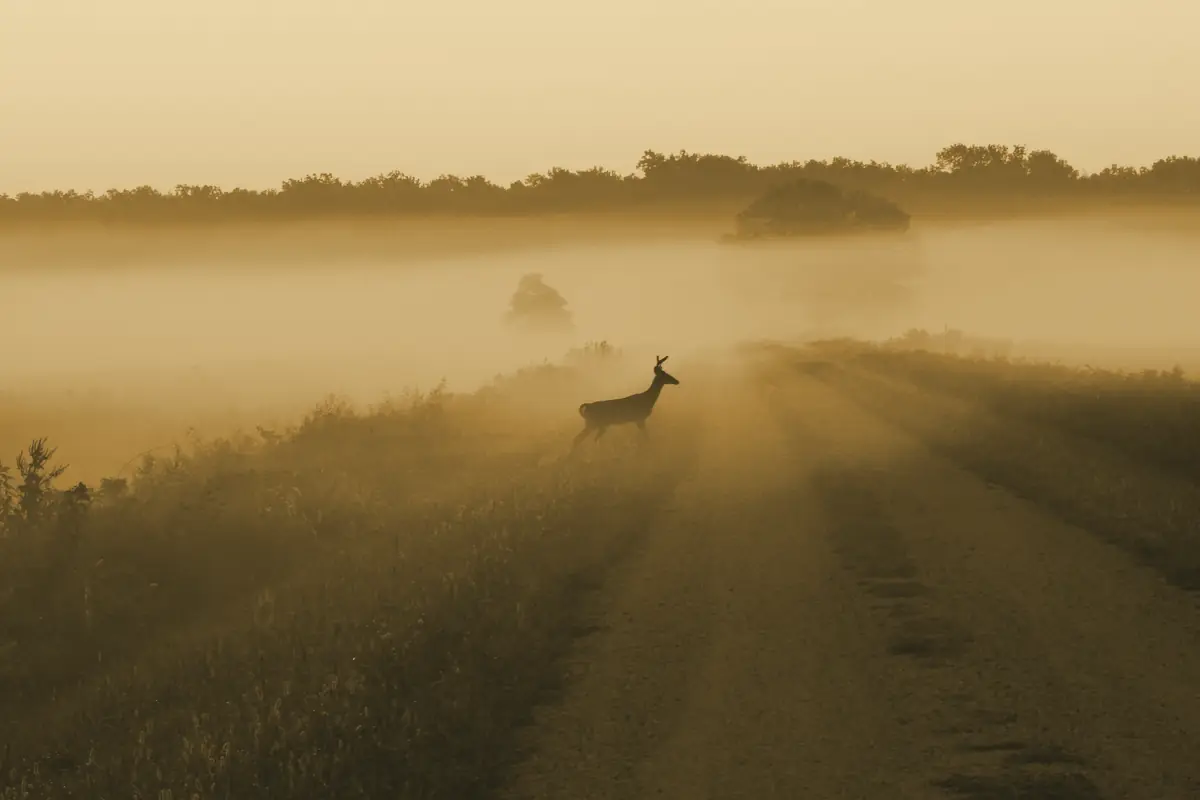
  1. A white-tailed deer crossing a gravel road in morning fog

    Deer season

    We hope to spend opening weekend with an Ozark hunter who lives with alpha-gal. Know someone? Tell us.

    Deer in the fog. U.S. Fish and Wildlife Service, public domain.

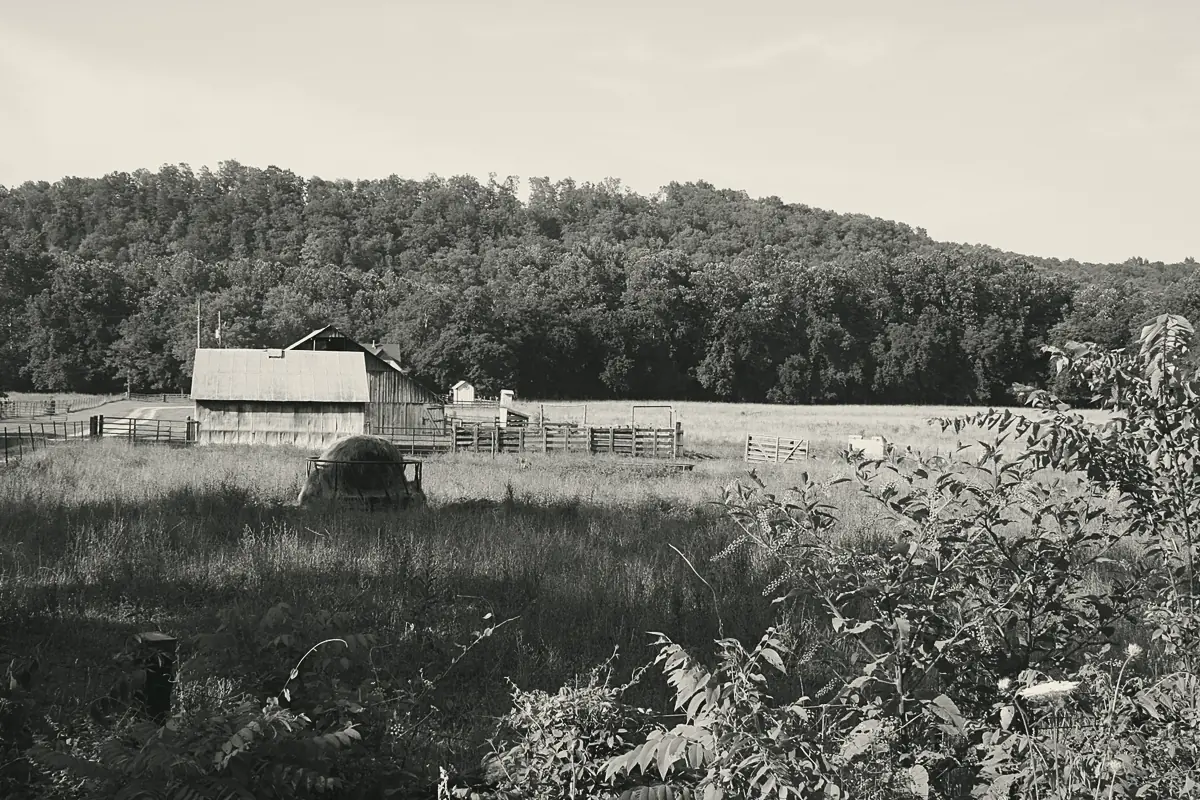
  2. A barn and pasture below wooded hills in the Mark Twain National Forest

    The Film Circle opens

    A Facebook group for people living with alpha-gal and the people who love them. Have a say in what we film, and see it first. Join the group.

    A farm in the Mark Twain National Forest, Washington County, Missouri. National Park Service, public domain.

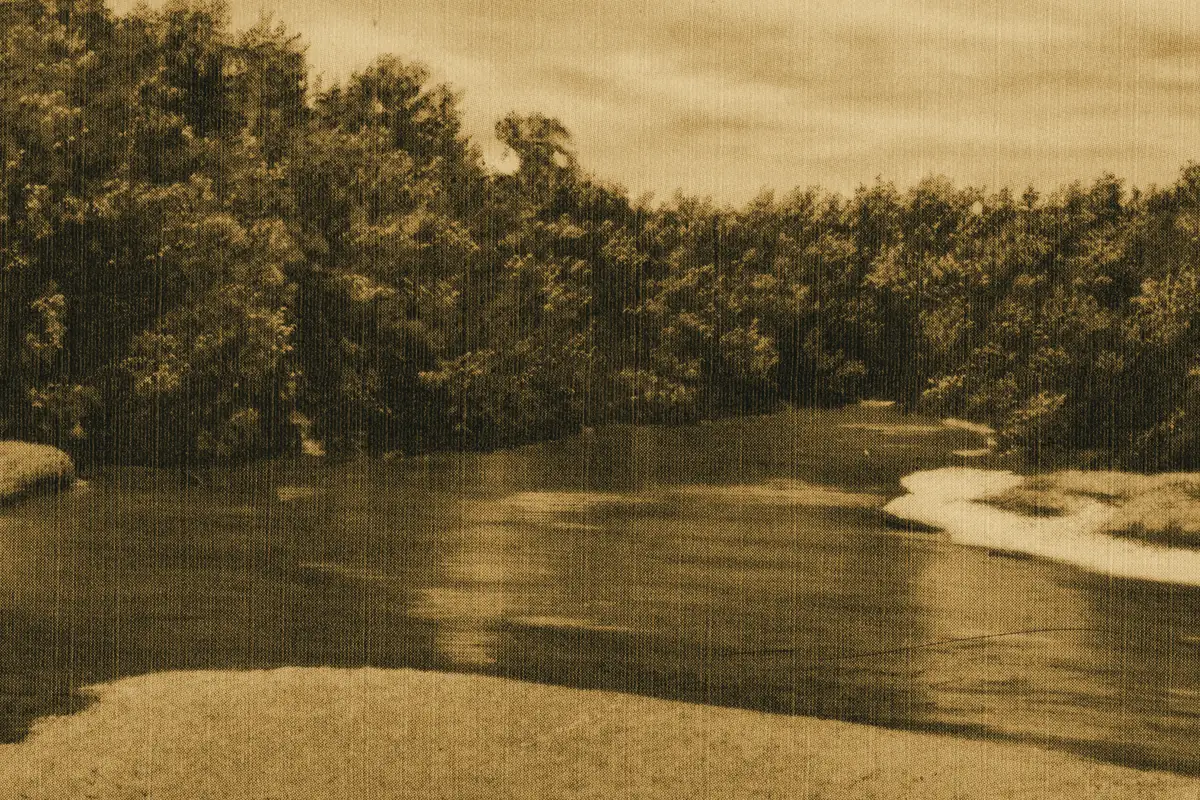
  3. An old linen postcard of the Jacks Fork meeting the Current River near Eminence, Missouri

    The film has its name

    Unto the Hills comes from Psalm 121: "I will lift up mine eyes unto the hills."

    Junction of Jacks Fork and Current River near Eminence, Missouri. Linen postcard, about 1930 to 1945. Tichnor Brothers collection, Boston Public Library, public domain.

Get involved

Share your story

Do you, or someone you love, live with alpha-gal? Tell us a little about it. Nothing you share goes in the film without your say.

Rather talk? Email austinwood.video@gmail.com

Thank you.

Austin reads every story himself and will be in touch before anything goes further.

This page is a mockup, so nothing was sent.

Join the Film Circle

Our Facebook group for people living with alpha-gal and the people who love them. A weekly question that shapes what we film, your questions taken to the researchers, and a first look at everything.

Join on Facebook
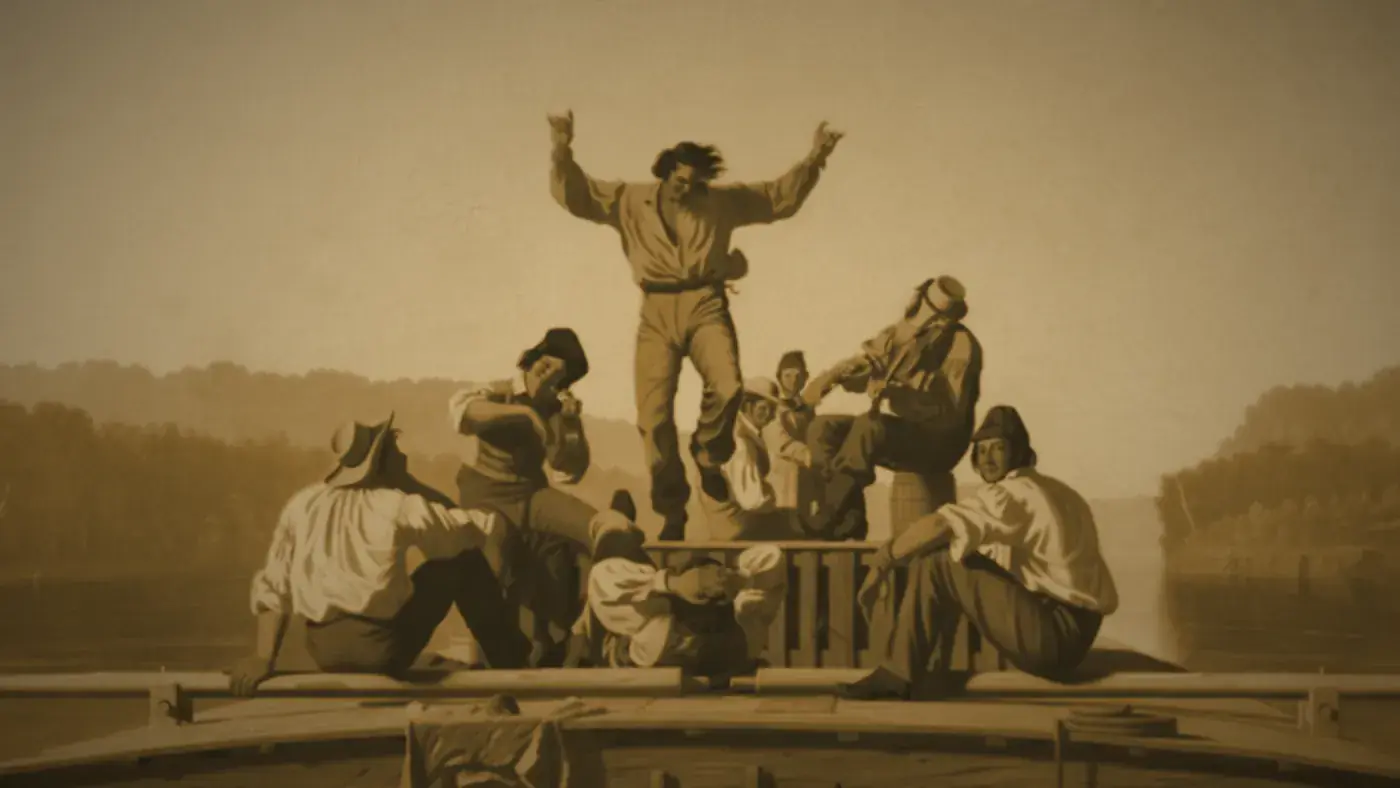
A painting of flatboatmen on a river: one man dances on a crate while others play a fiddle and a pan and the crew sits around to watch

Host a screening

When the film is finished, we want to bring it home: to churches, libraries, VFW halls, conservation clubs and clinics across the Ozarks.

Tell us where

Or email austinwood.video@gmail.com

George Caleb Bingham, The Jolly Flatboatmen, 1846. National Gallery of Art, public domain.

Give more than we get

That's the promise this film is built on. It exists to help the people living with alpha-gal, not just to tell their story, so we plan to send screening proceeds to alpha-gal research and to families living with it.

Giving opens once our fiscal sponsorship with Fractured Atlas is approved. Once it is, gifts will be tax-deductible.

Sponsor the film

Foundations, Ozark businesses and community partners: sponsorships are open, and your name goes where the film goes.

Talk with Austin

Or email austinwood.video@gmail.com

Research and family partners for screening proceeds will be named here once they're confirmed.

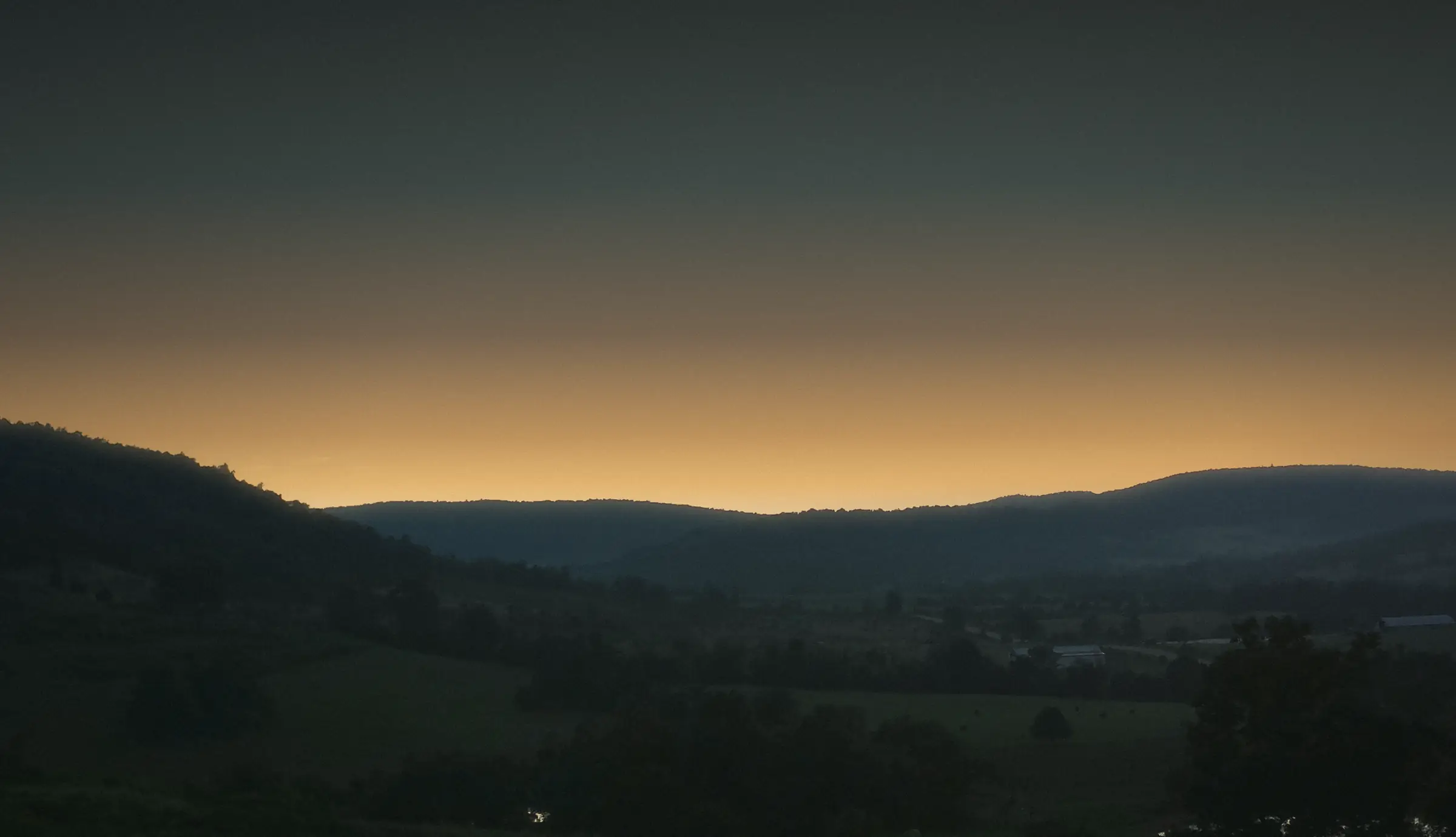
Dusk from a Highway 66 overlook near Mountain View, Arkansas. Photo: Brandonrush, CC BY-SA 4.0, color graded.